Home  ›  What is HBOT
The science explained

What is Hyperbaric
Oxygen Therapy?

A grounded, plain-English guide to the science behind the chamber — what HBOT actually is, where it came from, the laws of physics that make it work, and what your body does with all that extra oxygen once it gets there.

The Basics

A calm room, a chamber, and a lot more oxygen.

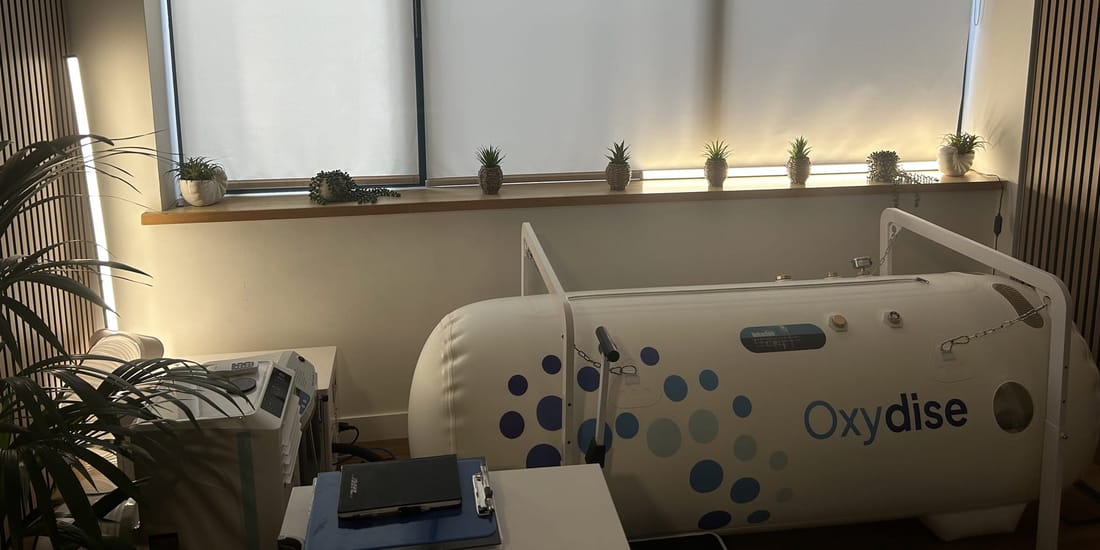
Hyperbaric Oxygen Therapy — usually shortened to HBOT — is a wellness therapy where you breathe near-pure oxygen while resting inside a gently pressurised chamber. The whole experience is unremarkable on the surface: you lie back, the chamber pressurises over five minutes, you spend an hour inside reading, listening to music or napping, then it depressurises over five minutes and you climb out. Most guests describe the feeling as "deeply relaxing".

What makes HBOT genuinely different from any other wellness session is what's happening at the level of physics. The chamber raises the surrounding atmospheric pressure to 1.5 ATA — roughly the pressure you'd feel five metres below sea level — while you breathe oxygen at concentrations close to 96%, almost five times the 21% in the air around you right now. The combination of more pressure and more oxygen means dramatically more O₂ ends up dissolved in your blood and tissues, far beyond what ordinary breathing can deliver.

That surplus oxygen is the entire point. Your body uses oxygen for nearly everything that matters — energy production, immune response, tissue repair, neurotransmission, hormone synthesis. Give it a flood of extra oxygen for an hour at a time, regularly, and the cellular machinery responsible for repair, recovery and performance has more raw material to work with. The effects build over multiple sessions; HBOT is best understood as a cumulative therapy, not a one-shot intervention.

The 30-second version: A chamber pressurises the air around you. You breathe pure oxygen. Pressure forces that oxygen to dissolve directly into your blood plasma — not just hitch a ride on red blood cells — so it can reach tissues normal circulation struggles to supply. Your cells use the surplus to repair and recover more efficiently. That's it. That's HBOT.
Where it came from

Three and a half centuries of pressurised air.

HBOT isn't a new idea. The history of pressurised therapeutic chambers stretches back to 17th-century England, and the modern science of breathing oxygen under pressure was being formalised in the 1800s. What's new is the soft-shell, mild-pressure format that brings HBOT out of clinical settings and into a wellness studio.

1662
English physician Henshaw built what's widely cited as the first pressurised therapeutic chamber, the "domicilium" — a sealed room where the air pressure could be raised or lowered with a bellows. Henshaw believed altered air pressure could ease a range of acute and chronic conditions. He was working centuries before anyone understood why.
1800s
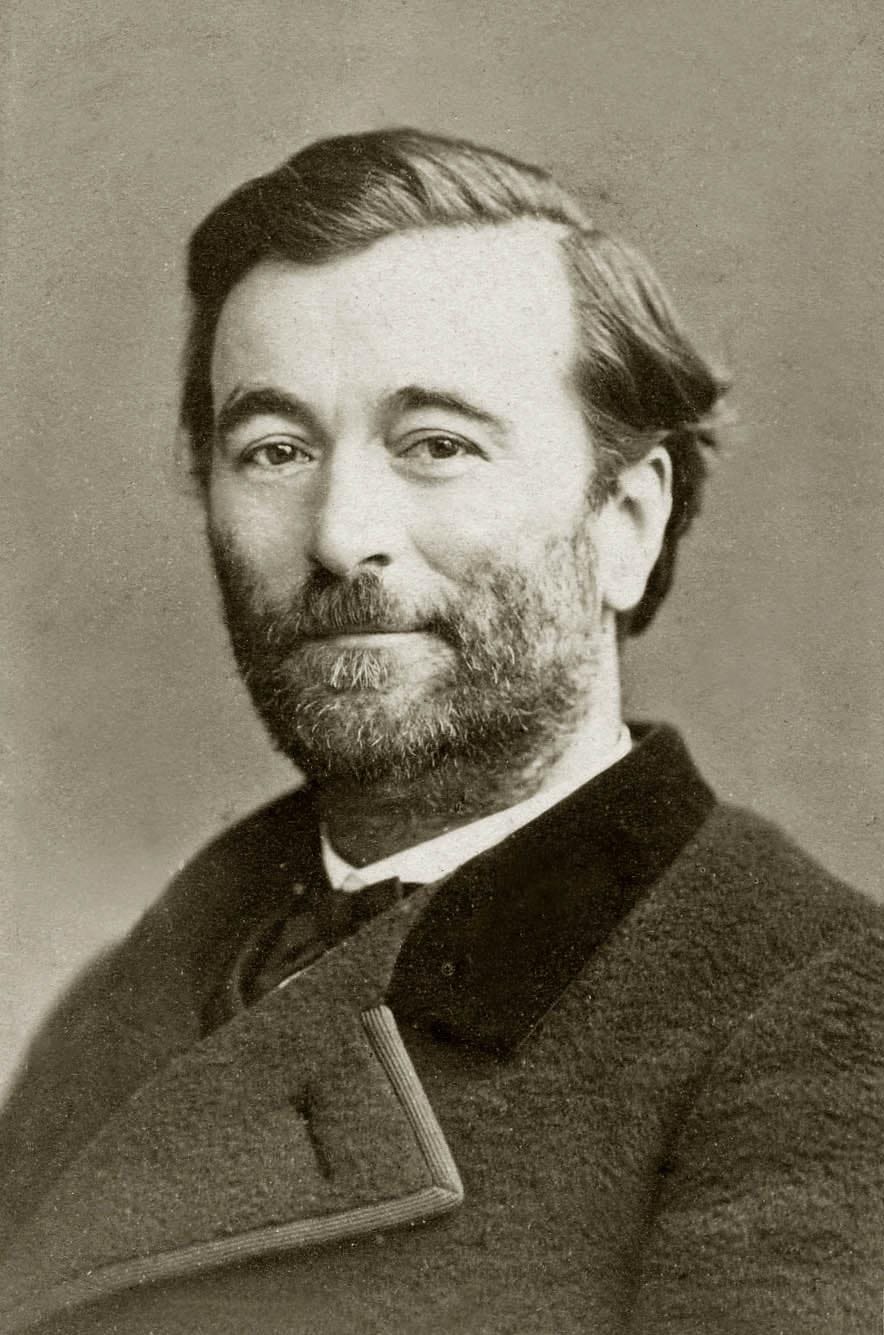
Pressurised chambers spread across Europe in the 19th century, often as elaborate Victorian "pneumatic institutes". The science remained crude until Paul Bert published La Pression Barométrique in 1878 — the foundational text on the physiology of altered pressure and oxygen toxicity. Bert's work made the modern field possible.
1937
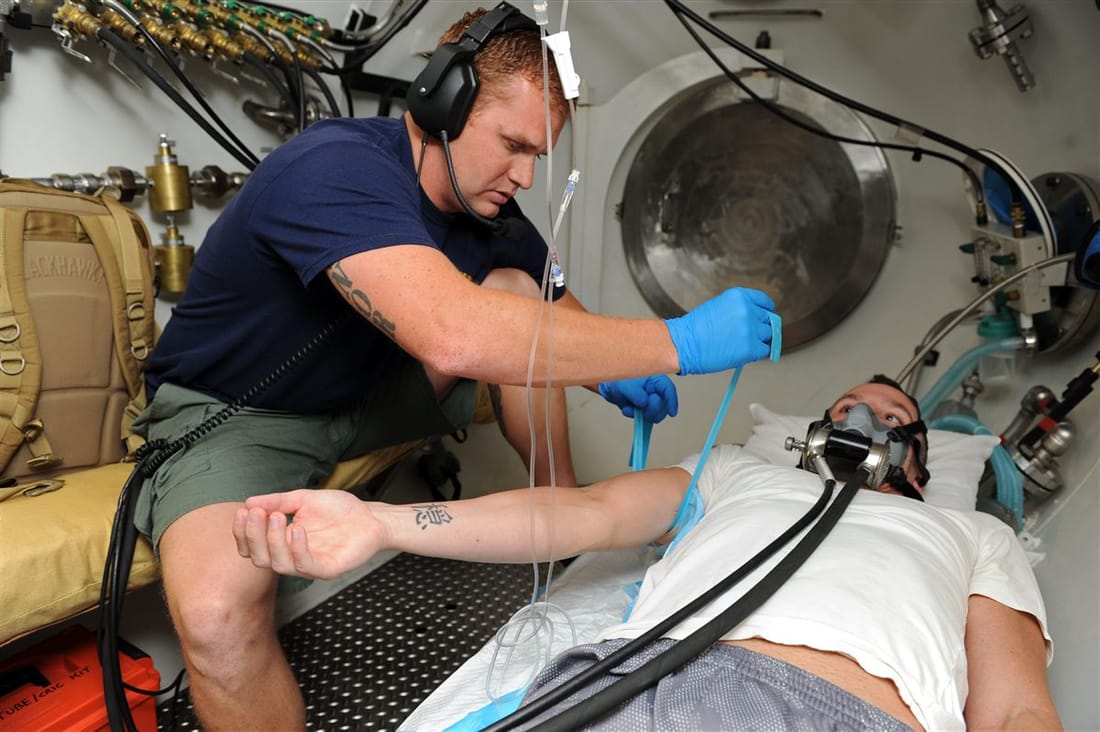
The US Navy's medical division formally adopted hyperbaric chambers for treating decompression sickness in divers — "the bends". Pressurising a diver and giving them oxygen forces nitrogen bubbles to redissolve. This is still the most universally accepted, evidence-saturated use of HBOT.
1950s–60s
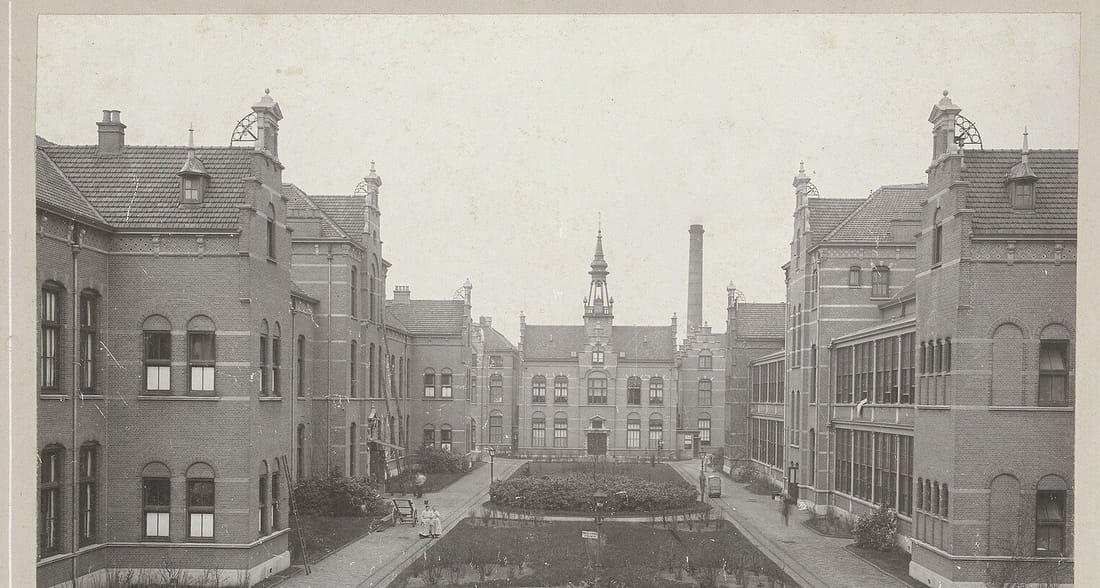
Dutch surgeon Ite Boerema in Amsterdam pioneered modern clinical HBOT. From there, the use spread globally for a small set of indications widely accepted by clinical medicine — carbon monoxide poisoning, certain wound-healing scenarios, radiation injury, and so on. Hard-shell, high-pressure chambers were the only option, used inside hospitals.
1990s–2020s
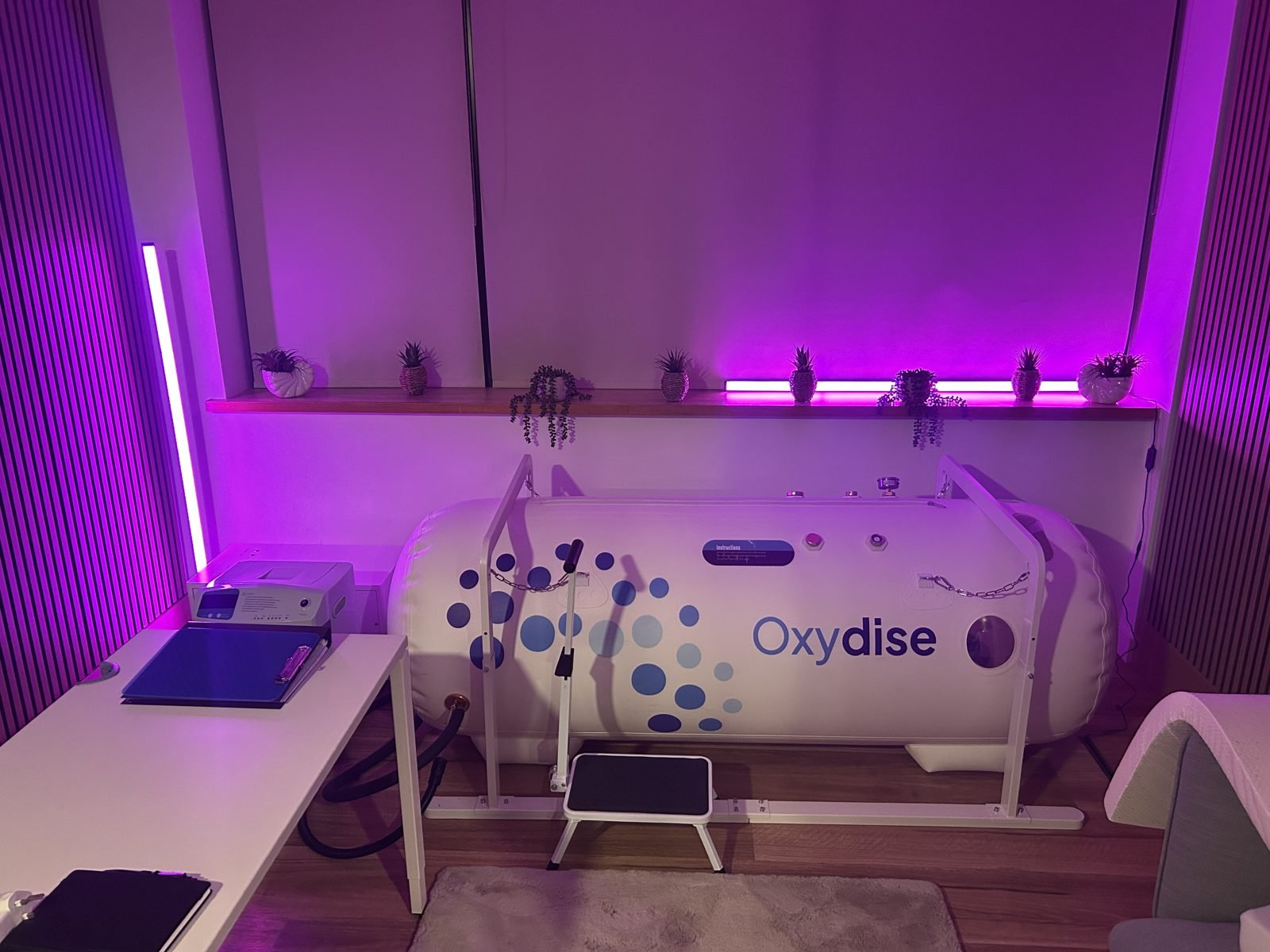
The arrival of soft-shell, mild HBOT (around 1.3–1.5 ATA) changed who could access it. Athletes, recovery clinics, longevity-focused individuals and wellness studios began using lower-pressure chambers outside hospital settings. This is the format we use at Green Oxygen — the same underlying physics, packaged for everyday wellness rather than acute medicine.
The Physics

Boyle's Law, Henry's Law, and why pressure matters.

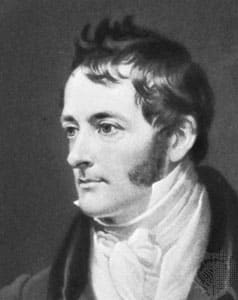
Two seventeenth- and nineteenth-century gas laws explain almost everything about HBOT. Both are taught in school physics, and both turn out to be the reason the chamber works. Stick with us — the science is genuinely satisfying once it clicks.

Boyle's Law · 1662
Pressure and volume are inversely related.
P × V = constant

At a fixed temperature, when you increase the pressure on a gas, its volume decreases proportionally. Squeeze it harder, the gas takes up less room. This is why your ears feel pressure during the chamber's pressurisation phase — the gas inside the eustachian tubes is being compressed, and you equalise it the same way you would on a plane or scuba dive. Boyle's Law is also the reason small bubbles in the body (a problem for divers) shrink under pressure — the principle behind decompression-sickness treatment.

Henry's Law · 1803
Solubility follows partial pressure.
C = k × P

The amount of a gas that dissolves into a liquid is directly proportional to the partial pressure of that gas above the liquid. Increase the pressure of oxygen, and more oxygen dissolves into your blood plasma. This is the law that does the actual heavy lifting in HBOT — it's why pressurised pure oxygen ends up dissolved in your bloodstream, rather than just bound to red blood cells the way it normally is.

Put the two laws together and the maths is straightforward. In normal air, the partial pressure of oxygen reaching your lungs is about 0.21 atm (21% of one atmosphere). Inside our chamber, you're breathing roughly 96% oxygen at 1.5 atmospheres, so the partial pressure of oxygen reaching your lungs jumps to approximately 1.44 atm — nearly seven times higher. By Henry's Law, that's how much more oxygen ends up dissolved into your blood plasma per breath.

Why this is the magic part: Under normal conditions, almost all the oxygen in your blood is bound to haemoglobin inside red blood cells — and haemoglobin is essentially saturated at sea level. You can't load more oxygen onto it just by breathing harder. But the small fraction of oxygen dissolved freely in the plasma can increase, and Henry's Law says it does so in direct proportion to pressure. Under HBOT, the dissolved-plasma fraction increases enormously — and dissolved oxygen can reach tissues that red blood cells struggle to supply, including swollen, inflamed or poorly-circulated areas that often need oxygen the most.
In Your Body

From a breath of oxygen
to a cellular response.

Once that surplus oxygen is dissolved in your plasma, it doesn't stay there. It diffuses out of the bloodstream and into the tissues, the interstitial fluid, the cerebrospinal fluid, the lymph — every fluid compartment in the body. From there, it reaches the cells, and at the cellular level a cascade of beneficial responses begins.

Each of those responses is a different "knob" being turned by the increased oxygen tension in your tissues. Some of them happen during the session itself; others kick in over the following hours and days as your body adapts to the repeated stimulus. This is why HBOT is best taken as a course rather than a single session — the cellular adaptations compound.

The next section walks through the most well-studied of these mechanisms in detail. Some are settled science (mitochondrial energetics, antimicrobial effects of high oxygen tension, basic angiogenesis). Others are areas of active and exciting research (stem cell mobilisation, hypoxia-inducible factor signalling, neuroplasticity). Either way, the underlying engine is the same: a temporary, controlled flood of oxygen, repeated regularly.

The Healing Properties

What the surplus oxygen actually does.

This is the meaty bit. Below are the main mechanisms by which HBOT is understood to influence the body — drawn from mainstream physiology and the research literature on hyperbaric oxygen exposure. None of these are claims that HBOT treats specific conditions; they're descriptions of well-documented cellular effects of high tissue oxygen.

01

Mitochondrial energy production

Your mitochondria are the cellular power plants that generate ATP — the energy currency of every process in your body. They run on oxygen via a process called oxidative phosphorylation. Increasing the oxygen available to mitochondria directly supports more efficient ATP production. Tired tissues, stressed cells, and recovering muscles all benefit from cellular energy being more abundant.

02

Inflammation regulation

HBOT is widely studied for its modulating effect on inflammation. Research suggests it can shift the balance of pro-inflammatory and anti-inflammatory signalling molecules, and reduce the activity of certain immune-cell pathways that drive chronic inflammation. This is one of the main reasons guests dealing with long-term tightness, joint discomfort or post-exercise inflammation report relief over a course of sessions.

03

Stem cell mobilisation

Research on hyperbaric oxygen has explored its role in mobilising stem cells from bone marrow — releasing them into the bloodstream where they can travel to areas needing repair. This is one of the more quietly exciting frontiers of HBOT research; multiple studies have observed measurable increases in circulating progenitor cells following hyperbaric exposure.

04

Angiogenesis — new blood vessels

High tissue oxygen tension stimulates the production of vascular endothelial growth factor (VEGF), a signalling protein that drives angiogenesis — the formation of new capillaries and microvessels. Over a course of HBOT sessions, this can improve circulation in tissues that previously had poor blood supply, which in turn improves their long-term oxygenation, even outside the chamber.

05

Hypoxia-inducible signalling

Paradoxically, intermittent hyperoxia (high oxygen during the session) followed by return to normal pressure appears to upregulate hypoxia-inducible factors (HIFs) — the master switches your cells use to respond to low-oxygen stress. This "hyperoxic-hypoxic paradox" triggers many of the same beneficial adaptations as altitude training, without the downside. It's an active area of HBOT research.

06

Fibroblast & collagen activity

Oxygen is essential for fibroblast function — the cells that build and maintain connective tissue, and lay down collagen during wound healing. Hyperbaric oxygen supports fibroblast activity, which is why HBOT has a long history of clinical use in wound healing and is also explored in cosmetic and aesthetic contexts.

07

Antibacterial effect

Many problematic bacteria are anaerobic — they thrive in low-oxygen environments. Saturating tissue with oxygen is inhospitable to those bacteria and can enhance the activity of certain neutrophils (your body's bacterial first responders). This is one of the most established clinical effects of HBOT and underpins its long history in wound and infection care.

08

Neuroplasticity & cognition

Your brain consumes around 20% of all the oxygen you breathe, despite being only 2% of your body weight. Increased oxygen availability supports the metabolic processes underlying neuroplasticity — the brain's ability to rewire and form new connections. HBOT's effect on cognitive function, focus and clarity is one of the most consistently reported guest experiences and an area of substantial ongoing research.

09

Reactive oxygen signalling

Briefly elevated oxygen produces a small, controlled increase in reactive oxygen species (ROS). Far from being harmful, controlled ROS act as signalling molecules that trigger your cells' own antioxidant and repair defences — a phenomenon known as hormesis ("what doesn't kill you makes you stronger" at the cellular level). Done right, HBOT exploits this hormetic effect.

10

Oedema & swelling

Hyperbaric pressure causes peripheral vasoconstriction (narrowing of blood vessels) while still increasing overall tissue oxygen delivery — a useful combination for reducing swelling without starving tissues of oxygen. This is one of the long-standing clinical observations of HBOT in trauma and acute injury contexts.

Together, these mechanisms describe a body whose cells are being repeatedly given the conditions for better repair, better energy production, better defence and better adaptation. None of them is a magic switch — but compounded across a course of sessions, they explain why HBOT guests so often describe a kind of "background-level upgrade" to how they feel, sleep, recover and think.

Why mild HBOT

Soft-shell, 1.5 ATA — built for everyday wellness.

There are two broad categories of hyperbaric chamber: hard-shell, high-pressure chambers used in hospitals and dive medicine, typically at 2.0–3.0 ATA; and soft-shell, mild-pressure chambers used in wellness, recovery and athletic settings, typically at 1.3–1.5 ATA. Both work on the same physics — pressure plus oxygen plus dissolution — but they're designed for different jobs.

Hard-shell chambers exist for acute medical care: decompression sickness, carbon monoxide poisoning, severe wound healing protocols, radiation tissue injury. They require medical staff, can be claustrophobic, and are not designed for repeated wellness use. They're also very expensive to access.

Mild HBOT at 1.5 ATA in a roomy soft-shell chamber is a different proposition. The pressure is gentle enough that the experience is genuinely relaxing rather than clinical. The chamber is large, well-lit and comfortable. Sessions are 60 minutes plus 5 minutes pressurisation and 5 minutes safe depressurisation. There's no medical staff because there's no medical procedure — it's a wellness modality, used regularly the way someone might use a sauna, an ice bath, or a yoga class. The cumulative cellular benefits remain real; the access barrier comes down.

The Green Oxygen approach: we run a single chamber, in a calm and private studio, for 60-minute sessions at 1.5 ATA. No queues, no rushed handover, no medical pretensions. Wellness as it's meant to be — repeated, gentle, restorative, and genuinely yours to make a habit of.

HBOT is a complementary wellness therapy, not a medical treatment. We are not medical professionals. The mechanisms described above are well-documented effects of hyperbaric oxygen exposure on human physiology — they are not claims that HBOT treats, cures or prevents any specific condition. Outcomes vary between individuals. Please consult your GP for any specific health concern before beginning any new wellness programme.

Ready to feel it for yourself?
Your first session is on us.

No card required. No commitment. One free first session per guest, booked online in under a minute. The science is interesting — actually feeling it is better.

Claim Your Free Session →
Or call us directly on 07378 271411